Beauty
Break Up with Breakouts: Your Winter Routine for Acne-Prone Skin
28 May '26
5 min read
Has winter got you rethinking your skincare routine? Here’s how to support breakout-prone skin through the cooler months.
Oh, winter. You have your charm – cosy knits, steaming mugs of coffee, roaring fires.
Your skin, however, may have a different perspective. Between icy wind, heated rooms and shifting humidity, the cooler months can leave it feeling temperamental – tight or dry one minute, congested or breaking out the next.
And whether you’ve been dealing with breakouts since your teenage years or they’ve only started showing up in adulthood, finding the right routine can feel overwhelming. There are cleansers, serums, spot creams, patches, moisturisers and sunscreen to consider.
The answer isn’t necessarily a complicated 10-step regimen, the strongest actives you can find, or the latest serum doing the rounds on socials.
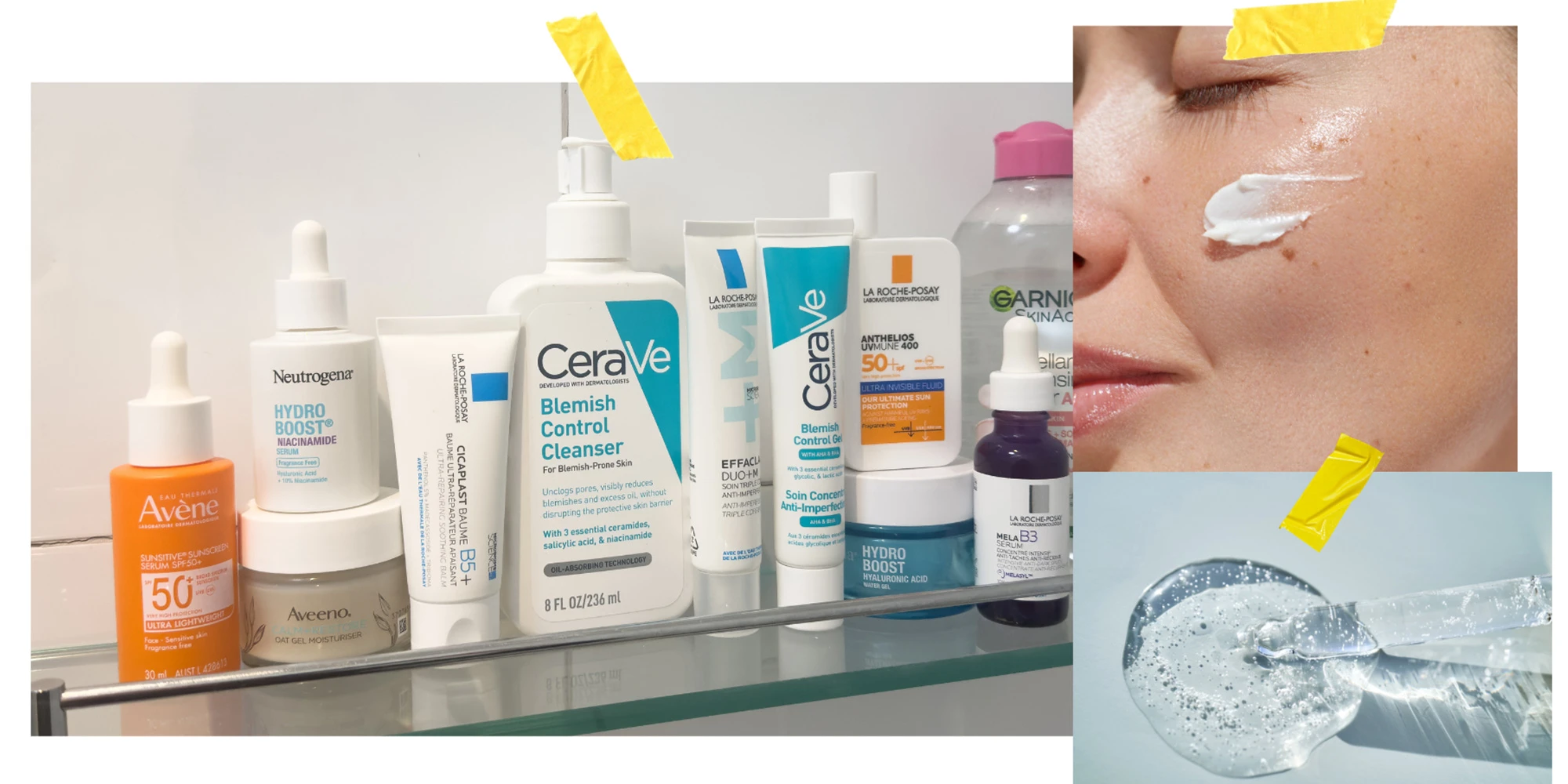
From pimple patches and serums to moisturisers, cleansers and sunscreen, here’s how to build a winter skincare routine that supports skin through the cooler months.
1. Start fresh
The same way you might change out of your outside-world clothes after a long day, cleansing gives your skin a fresh start by helping remove excess oil, sweat and daily build-up.
If you wear makeup or sunscreen daily, double cleansing can be an effective way to break things down properly. Your first cleanse might be a micellar water, cleansing oil or balm to help lift what’s sitting on the skin, while your second cleanse focuses on the skin itself.
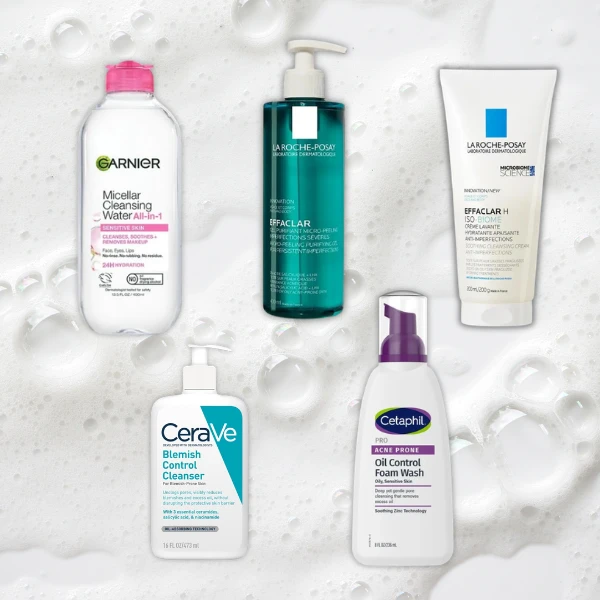
As for which cleanser to choose? Look for a formula that feels gentle but still clarifying.
For acne-prone skin, that means cleansing thoroughly without leaving skin feeling tight, stripped or irritated. Mild, pH-balanced cleansers can be a good place to start, with non-comedogenic (meaning they’re designed not to clog pores) and fragrance-free formulas also help minimise the chance of irritating sensitive skin.
2. Spot check
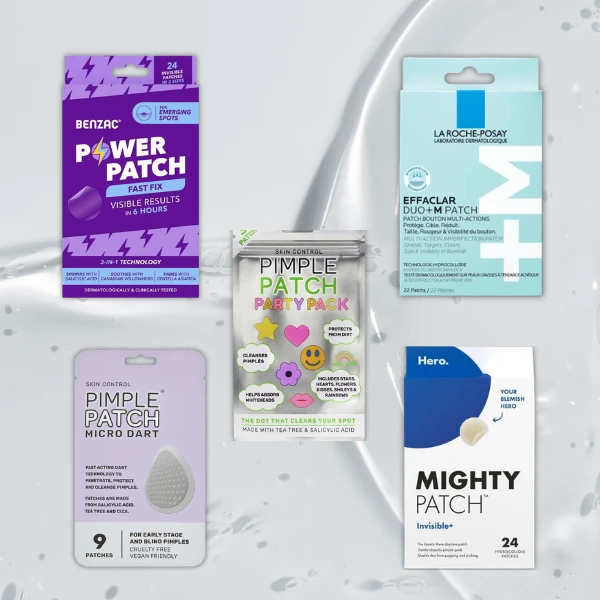
For active breakouts, pimple patches can be a low-fuss way to help protect the area – especially if you’re trying not to pick. They’ve also had a serious image refresh thanks to Gen Z, with bright, sticker-like patches becoming part of the beauty conversation rather than something to hide at home.
Some patches are designed to absorb fluid from visible spots, while others are formulated with ingredients like salicylic acid, tea tree oil, hyaluronic acid or niacinamide to support and protect.
3. Add targeted care
This is the step that does the more specific work. Not all blemish-focused products are trying to do the same thing – some are designed for blackheads and congestion, some are made for individual spots, and others focus on texture, excess oil or skin that feels a little out of balance.
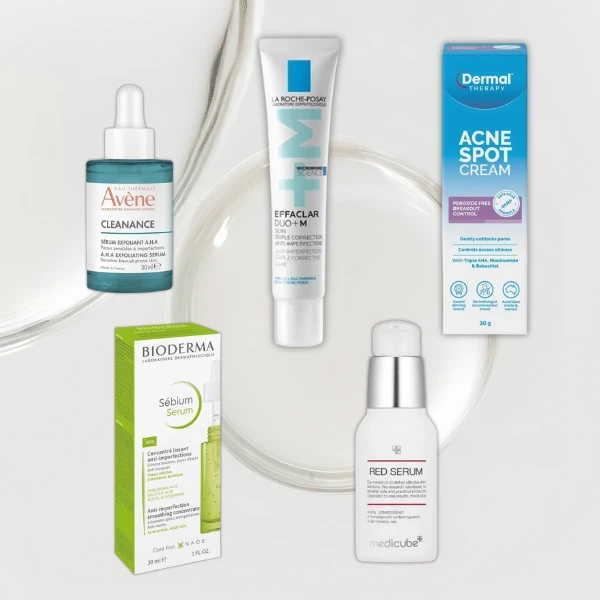
For targeted care, the right formula often comes down to the ingredients. Salicylic acid is often used in formulas for congestion and blackheads, while benzoyl peroxide, azelaic acid and niacinamide are also common names you’ll see across blemish-focused skin care.
4. Don’t skip moisturiser
When the weather cools down, cold air, indoor heating, and harsh elements can make skin a little needier than usual. And just like you might reach for layers of your thickest knitwear when winter hits, it can be tempting to opt for the thickest moisturiser on your shelf.
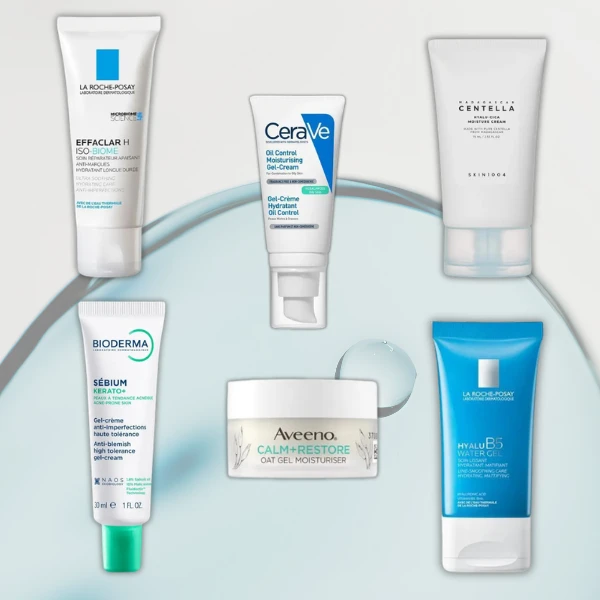
But if your skin is oily, acne-prone or prone to blemishes, heavier doesn’t always mean the most suitable. Texture can help guide your choice.
Gel moisturisers are often lightweight and fast-absorbing (and sit seamlessly under makeup), making them an ideal option if your skin is oily, combination or prone to shine. Cream moisturisers can be better suited to skin that feels dry, dehydrated or sensitised – especially if you’re using products that contain benzoyl peroxide, retinoids or exfoliating ingredients.
Look for non-comedogenic formulas with ingredients that help support hydration and the skin barrier, like glycerin, hyaluronic acid, niacinamide and ceramides. If you’re not sure where to land, we recommend a lighter gel texture during the day and something thicker at night.
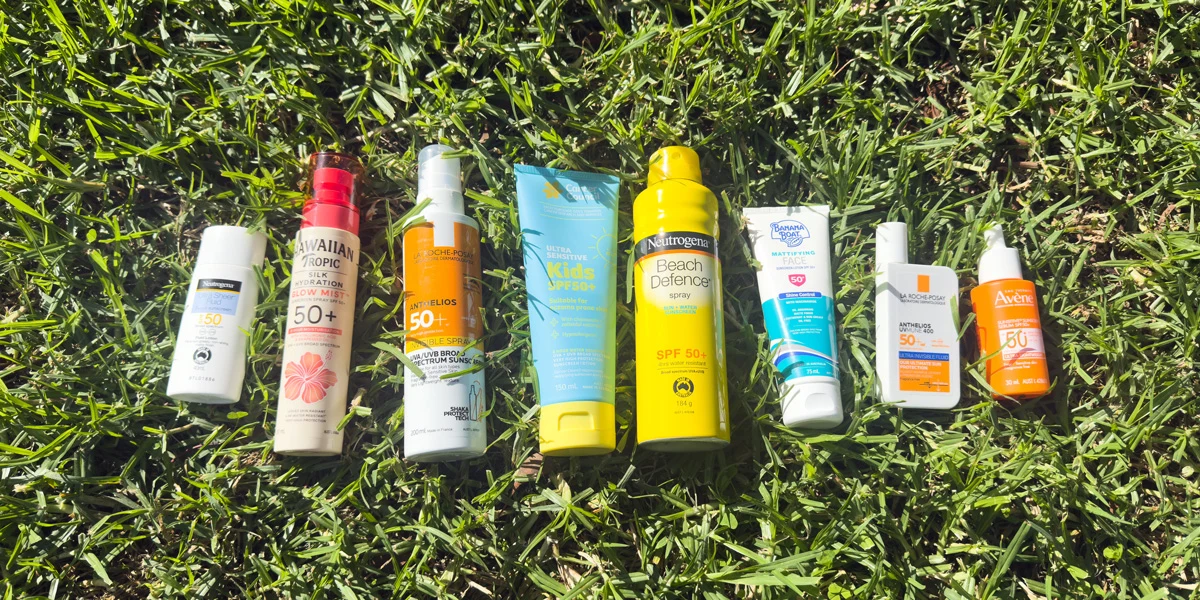
5. Make sunscreen* your final step
If you’re using blemish-focused products, exfoliating ingredients or retinoids, sunscreen becomes even more important. Some active ingredients can make skin more sensitive to the sun, which is not ideal when you’re trying to keep your routine calm and consistent.
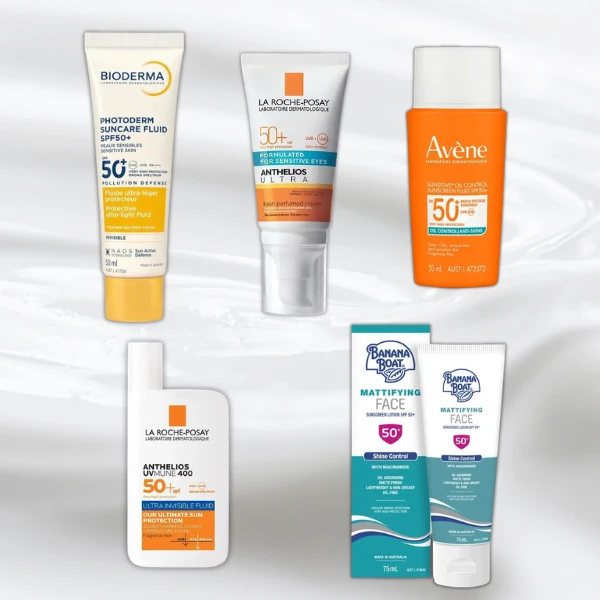
The good news is that there are plenty of lightweight, oil-free, fragrance-free and non-comedogenic formulas designed to give broad spectrum protection without feeling greasy or overwhelming on the skin. For daytime, apply sunscreen as the final step after moisturiser.
Look for broad spectrum SPF 50 or 50+ formulas, and reapply as directed – even if you don’t plan on leaving the house.
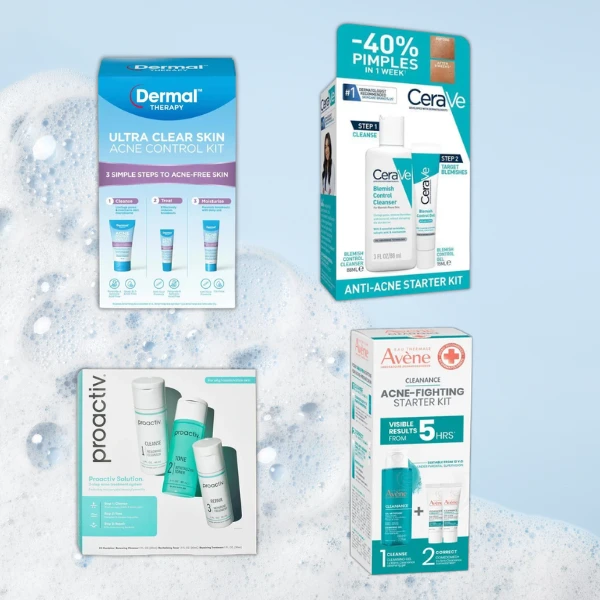
6. Take the shortcut
Sometimes the hardest part of building an acne-prone skincare routine is knowing what actually works together. A cleanser here, a serum there, a moisturiser you discovered on your FYP.
That can feel even more overwhelming for teens entering the world of skincare for the first time. Add breakouts into the mix, plus countless products claiming to help, and it’s easy to end up over-buying, over-layering and overcomplicating things.
Your winter reset
Breakouts can be stubborn, and no routine works overnight. But a more considered approach can help take the guesswork out of your winter skincare routine.
Discover skincare and body care products for whatever your skin needs, in-store and online at Chemist Warehouse.
—
Article content disclaimer: *Always read the label and follow the directions for use. Wear protective clothing, hats and eyewear when exposed to the sun. Prolonged sun exposure should be avoided. Frequent use and re-application in accordance with directions is required for effective sun protection.